
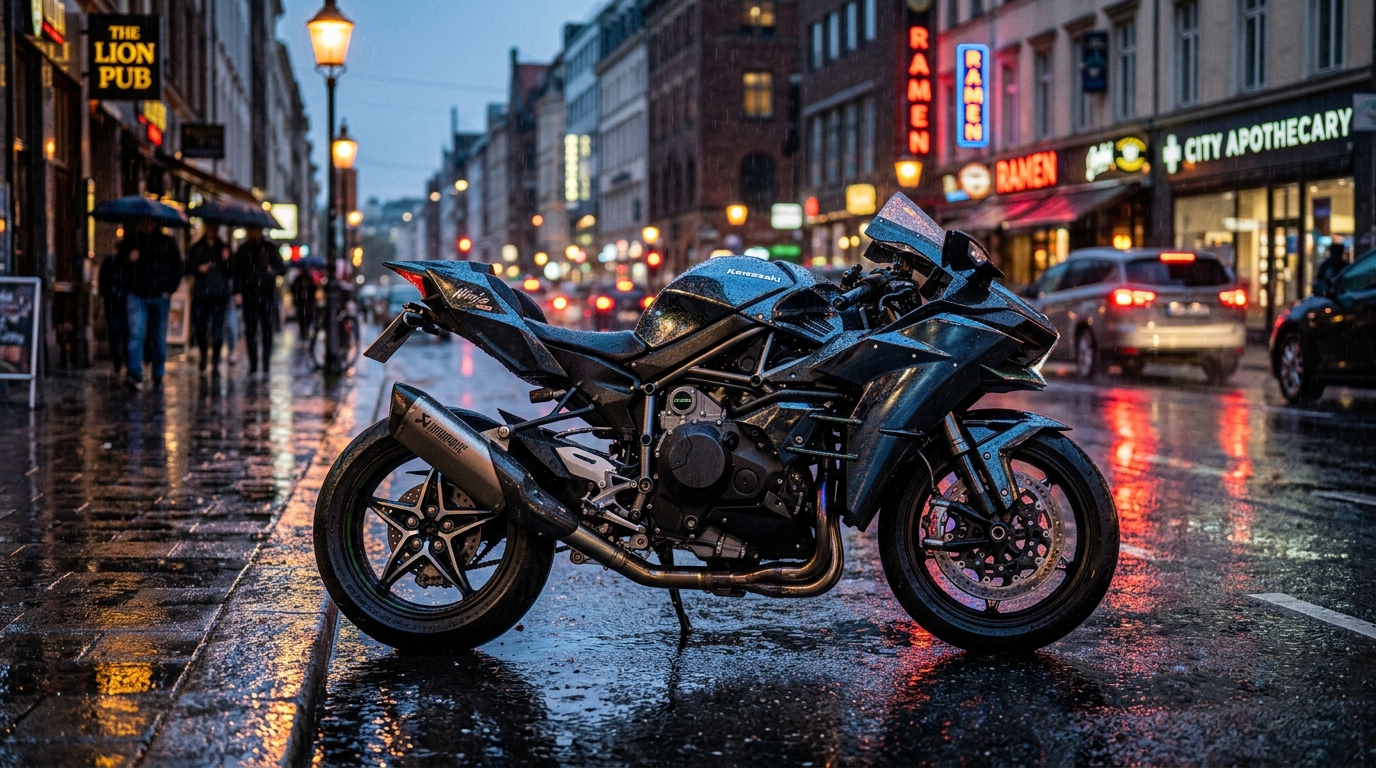
Monsoon season brings welcome relief from scorching summer heat across Indian cities, but it poses severe operational hazards for two-wheelers. Waterlogged streets, heavy downpours, high humidity, and mud splashing create ideal conditions for metal oxidation (rust), electrical short circuits, brake performance degradation, and engine water entry.
Water entering the air filter or exhaust pipe can cause hydrostatic lock (hydrolock), destroying engine connecting rods and pistons instantly. Taking proactive steps before and during the rainy season will keep your bike or scooter starting reliably, shield expensive bodywork from corrosion, and ensure safe traction on slick wet roads.
1. Anti-Rust Coating & Chrome Protection
Rainwater in urban areas contains acidic pollutants that accelerate metal oxidation. Unprotected steel frame joints, exhaust headers, swingarm pivots, and chrome mirrors will quickly develop reddish-brown rust spots. Thoroughly wash your bike to remove road salt and mud, dry it completely, and apply a high-quality anti-rust spray (like WD-40 or a specialized hydrophobic wax coat) onto metal surfaces, exposed nuts, bolts, and exhaust pipe bends. Avoid getting anti-rust spray onto brake discs, pads, or tires.
2. Electrical System & Spark Plug Weatherproofing
Starting trouble during rainy days is almost always caused by moisture leaking into the spark plug cap or electrical wiring connectors. Inspect the rubber spark plug cap for cracks or loose fitting. Remove the cap, clean the terminal contact, and coat the inside edge with dielectric silicone grease to seal out water.
Check your battery terminals, ignition key slot, handlebar switch boxes, and fuse boxes. Spray an electrical contact cleaner inside the switch housings to prevent corrosion and short circuits.
3. Air Filter Inspection & Intake Protection
Your engine's air intake draws air into the combustion chamber. If wet road spray or deep water puddles soak the air filter, water will get sucked into the engine. Paper air filters collapse when wet, restricting airflow and causing severe engine stalling, misfiring, and black exhaust smoke.
Inspect your air filter box cover for proper sealing and tight rubber hoses. If you ride through heavy rain, check the air filter box drainage valve and replace paper air filter elements if they show water dampness.
4. Tire Tread Depth & Wet Traction Safety
Riding on wet roads reduces tire grip significantly. Worn tires with thin tread depth cannot evacuate water from under the contact patch, leading to hydroplaning (where the tire floats on a thin layer of water, resulting in complete steering loss).
- Tread Depth Check: Inspect tire wear indicator bars located inside the tread grooves. Ensure tread depth measures at least 2.5mm to 3mm for effective water dispersal.
- Tire Pressure: Maintain correct cold tire pressures. Under-inflated tires squirm on wet tarmac, while over-inflated tires reduce the contact patch area.
- Inspect for Cracks & Cuts: Check sidewalls for sharp glass or stone cuts that can cause sudden pressure loss in waterlogged puddles.
5. Chain Care & Waterproof Lubrication
Rainwater washes away standard chain lube within a few kilometers, leaving raw steel chain links exposed to moisture. A dry chain rusts within 24 hours, leading to seized link pins and rapid sprocket wear. Clean your drive chain thoroughly and switch to heavy-duty off-road or wet-weather chain lube formulas that resist water wash-off. Lube your chain every 300 km during monsoon season.
6. Handling Waterlogged Roads (Avoiding Hydrolock)
When encountering deep waterlogged streets or underpasses:
- Gauge Water Depth: Never ride through standing water that rises above your exhaust pipe outlet or footpegs.
- Maintain Steady Throttle: Enter water in 1st or 2nd gear at a steady, high-revving throttle. Never release the throttle or change gears mid-puddle, as backpressure keeps water out of the exhaust tailpipe.
- If Engine Stalls in Water: NEVER attempt to restart the engine! If water entered the exhaust or intake, cranking the engine will cause hydrostatic lock, bending piston rods and cracking the engine block. Push the bike out of the water manually.
7. Post-Rain Maintenance & Parking Practices
After riding in heavy rain, do not cover a wet motorcycle with a tight plastic vehicle cover. Trapping moisture under a cover creates a high-humidity greenhouse effect that accelerates rust on frame joints and wiring. Wipe the bike dry with a synthetic chamois towel, lubricate key pivot joints (clutch lever, footpegs, side stand spring), and allow it to air out in a ventilated spot.
If your bike suffered water ingress, starting troubles, or brake squeal during the monsoons, book a doorstep monsoon safety checkup with FixWheel. Our mechanics will inspect the spark plug, air filter, electrical terminals, and oil condition right at your home.
Comments0